Learn the Science. Master the Practice. Change a Child’s Future.
Every teacher remembers the student who tries harder than everyone else, yet still struggles to read.
They guess words instead of decoding them.
They avoid reading aloud.
They lose confidence little by little, despite their effort.
For many educators, those moments spark an important question:
“Am I teaching reading the best way possible?”
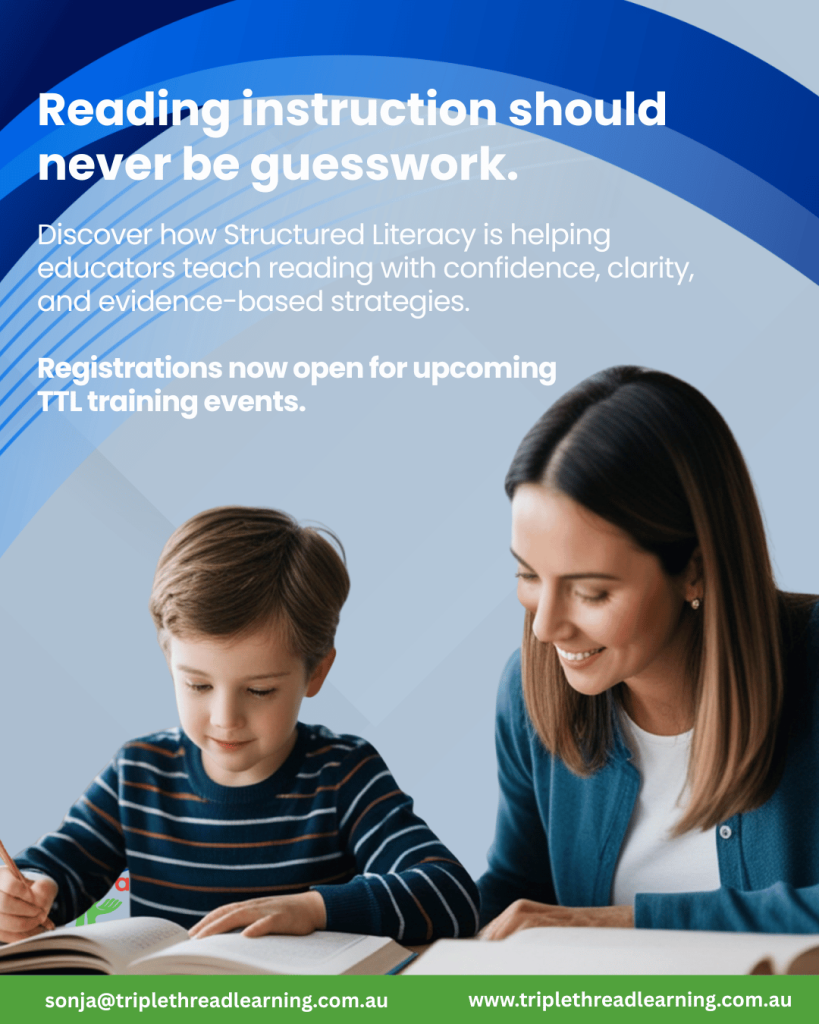
Research from Australia and around the world increasingly points to the same answer: effective literacy instruction must be explicit, systematic, and evidence-based. That’s why Structured Literacy and the Science of Reading have become central conversations in schools, classrooms, and teacher professional development.
For educators seeking practical strategies that genuinely improve reading outcomes, Structured Literacy training is becoming essential, not optional.
And for students with dyslexia or language-based learning difficulties, it can be life-changing.
Why Literacy Matters Beyond the Classroom
Literacy is more than an academic skill.
It affects how people navigate almost every part of daily life:
- Reading medication labels
- Understanding contracts
- Completing forms
- Accessing employment opportunities
- Participating in community life
- Understanding digital communication
Without fluent reading and writing skills, many everyday tasks become barriers.
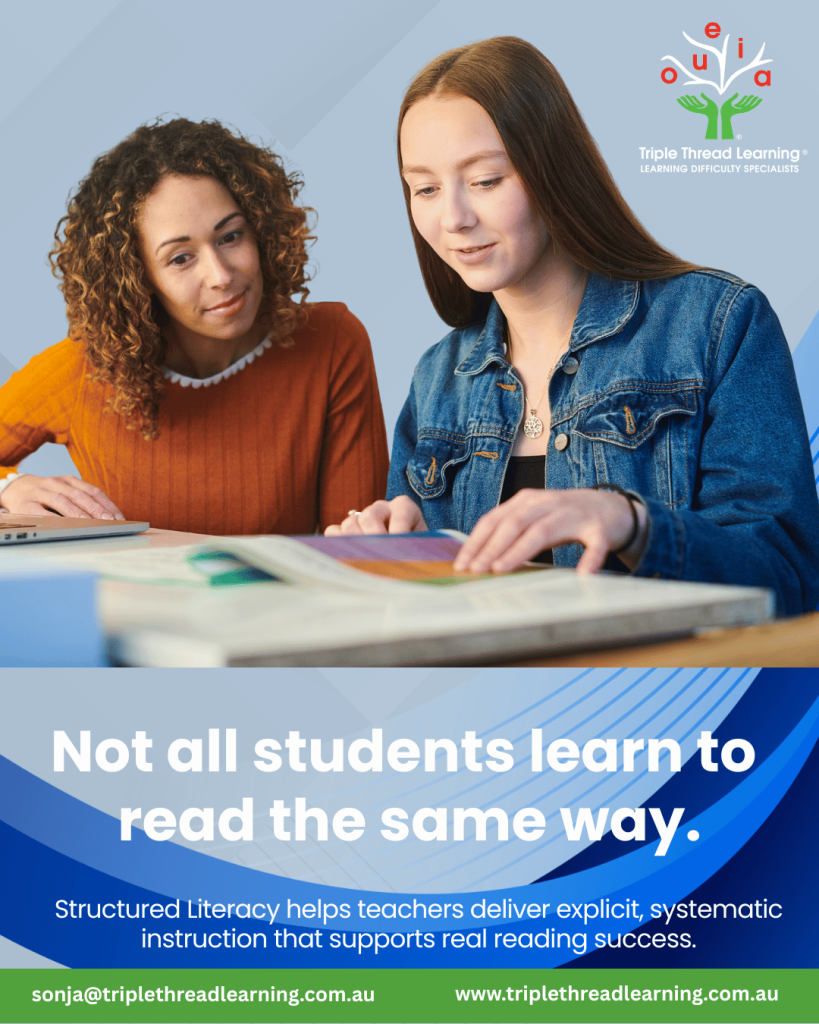
Australian literacy inquiries and international reading research consistently show that many students require more explicit instruction than traditional balanced literacy approaches often provide. Structured Literacy responds directly to this need through systematic, cumulative teaching practices grounded in cognitive science and linguistics.
“Structured literacy replaces guesswork with knowledge and transforms frustration into progress.”
What Is Structured Literacy?
Structured Literacy is an evidence-based approach to reading and spelling instruction grounded in the Science of Reading.
Rather than assuming students will naturally “pick up” reading skills, Structured Literacy teaches language explicitly and sequentially.
Instruction typically includes:
- Phonological awareness
- Phonemic awareness
- Systematic phonics
- Decoding
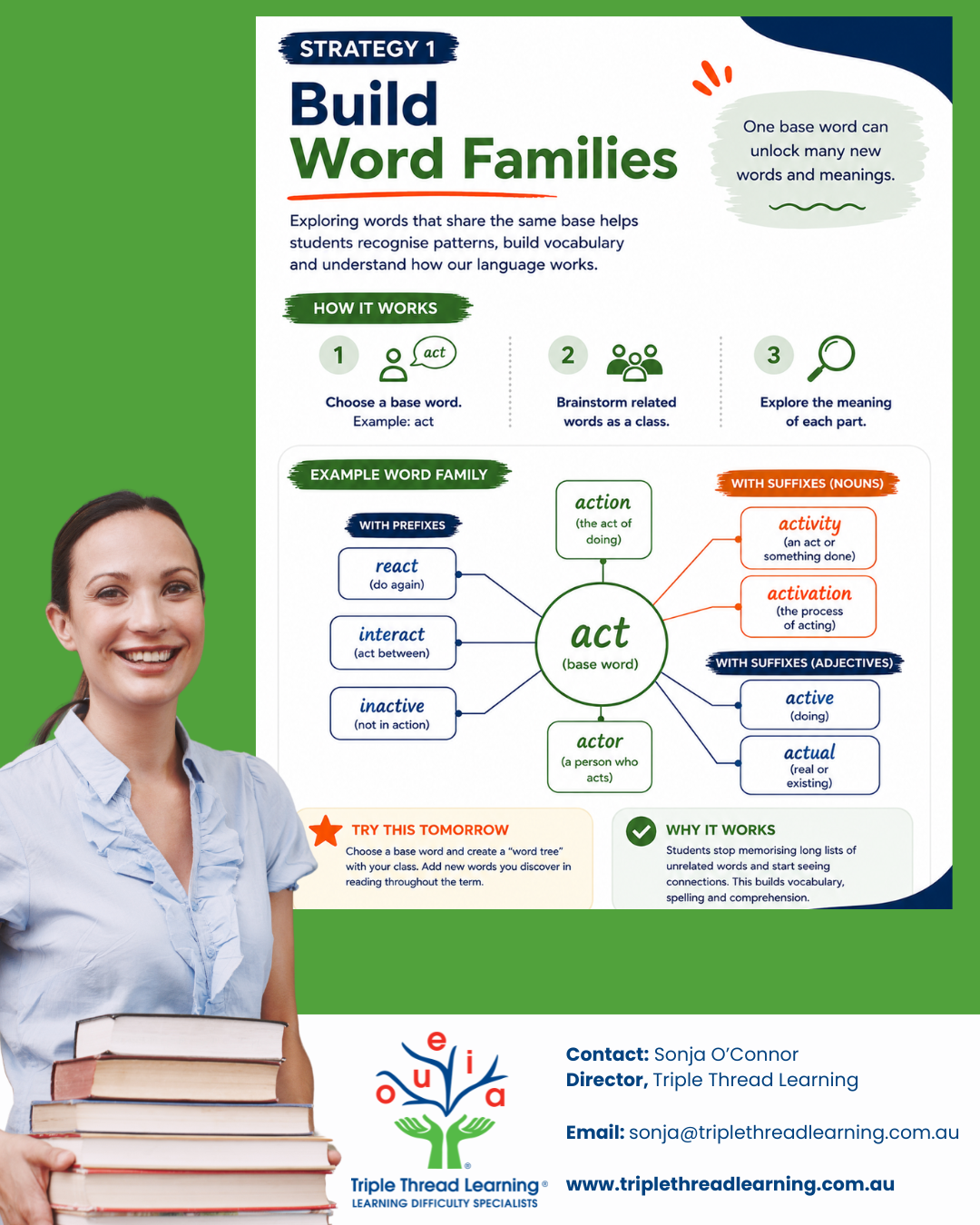
- Morphology
- Fluency
- Vocabulary
- Reading comprehension
Lessons are carefully sequenced so students build mastery step by step.
This approach particularly benefits:
- Students with dyslexia
- Students with learning difficulties
- Students needing intervention
- Early readers
- English language learners
- Students who have not responded to traditional literacy instruction
Importantly, Structured Literacy is not only for struggling students.
Research shows explicit literacy instruction benefits all learners.
Why Teachers Are Rethinking Reading Instruction
Across Australia, educators are increasingly recognising the gap between research and classroom practice.
Many teachers report that their university training included limited instruction on:
- How the brain learns to read
- Evidence-based decoding instruction
- Dyslexia identification
- Language structures
- Reading intervention strategies
As schools shift toward evidence-informed practice, professional development in literacy instruction is becoming a priority.
Teachers want:
- Practical classroom strategies
- Clear instructional frameworks
- Confidence supporting struggling readers
- Better student outcomes
- Intervention tools grounded in research
Structured Literacy provides that framework.
And importantly, it gives teachers something many have been searching for:
clarity.
The Students Who Slip Through the Cracks
Some students memorise words well enough in early years to appear successful initially.
But later, when reading demands increase, difficulties emerge.
Others never develop automatic decoding skills at all.
Without explicit instruction, these students often:
- Experience repeated failure
- Develop anxiety around reading
- Avoid literacy tasks
- Lose confidence
- Fall behind academically
For students with dyslexia, the consequences can be even more significant.
Dyslexia is not linked to intelligence. Many students with dyslexia are highly capable thinkers who simply require structured, explicit teaching approaches to access written language effectively.
When educators understand:
- How reading develops,
- where breakdowns occur,
- and how to intervene effectively,
Student outcomes can change dramatically.
What the Science of Reading Says
The Science of Reading draws from decades of interdisciplinary research, including:
- cognitive psychology,
- neuroscience,
- linguistics,
- education research,
- and speech pathology.
This body of evidence consistently shows that effective reading instruction should be:
- Explicit
- Sequential
- Cumulative
- Diagnostic
- Responsive
Students benefit when teachers directly teach:
- sound-symbol relationships,
- decoding patterns,
- language structures,
- and spelling conventions.
Structured Literacy applies this research in practical classroom instruction.
For educators, understanding the Science of Reading helps replace uncertainty with evidence-based decision making.
From Frustration to Confidence
One of the most powerful outcomes of Structured Literacy training is teacher confidence.
Many educators describe a turning point when they finally understand:
- Why do some students struggle?
- What skills are missing?
- How to systematically support growth.
Instead of relying solely on broad literacy programs, teachers gain practical tools they can immediately apply in classrooms and intervention settings.
This often leads to:
- clearer lesson planning,
- stronger intervention strategies,
- improved student engagement,
- and measurable literacy progress.
TTL Classroom Educators Structured Literacy Training
For educators wanting practical, classroom-ready literacy training, the TTL Classroom Educators Structured Literacy Training offers an evidence-based professional learning pathway designed specifically for teachers.
What Educators Will Learn
The course is designed for:
- Primary classroom teachers
- Early career educators
- Experienced teachers
- Literacy support staff
- Educators wanting stronger evidence-based literacy practices
Participants explore:
- The Science of Reading
- Evidence-based literacy instruction
- Dyslexia understanding
- English language structure
- Effective spelling instruction
- Structured literacy teaching strategies
Importantly, the training includes hands-on learning experiences so educators can confidently apply strategies immediately in their own classrooms.
Key Learning Outcomes
Participants will:
- Understand evidence-based reading instruction
- Learn the key components of literacy development
- Understand how students learn to read
- Build knowledge of dyslexia and intervention
- Develop practical literacy teaching strategies
- Strengthen classroom confidence
“Gain practical strategies you can use immediately.”
Why Practical Teacher Training Matters
Professional development often focuses heavily on theory.
But educators also need:
- demonstration,
- modelling,
- guided practice,
- and implementation support.
That’s where Structured Literacy training becomes particularly valuable.
Teachers leave not only understanding why evidence-based instruction matters, but also how to deliver it effectively.
This practical application is critical for creating sustainable classroom change.
A Career-Changing Opportunity for Teachers
For educators wanting to specialise further, the TTL Structured Literacy & Dyslexia Therapist Certification provides advanced training in evidence-based literacy intervention.
This nationally recognised certification supports teachers in becoming highly skilled literacy intervention specialists who can identify reading breakdowns and deliver targeted support.
TTL Structured Literacy & Dyslexia Therapist Certification
Upcoming Certification Details:
Please contact us for our next training sessions.
What Makes This Certification Different?
The certification combines:
- intensive face-to-face training,
- self-paced learning,
- practical implementation tasks,
- and an optional supervised practicum experience.
Participants explore:
- How students learn to read
- Dyslexia identification
- The structure of English
- Structured lesson design
- Assessment and intervention planning
The course also includes:
- Structured literacy manuals
- Assessment tools
- Word lists
- Phonogram resources
- Ongoing email support
Professional Recognition and Career Growth
Graduates who complete both the theory and practicum components may apply to the Australian Dyslexia Association (ADA) to be listed as trained providers.
This recognition helps connect educators with:
- schools,
- families,
- and organisations seeking structured literacy expertise.
For many educators, this certification opens pathways into:
- literacy intervention,
- specialist teaching,
- private practice,
- consultancy,
- and leadership roles.
Why Structured Literacy Benefits All Students
Although Structured Literacy is essential for students with dyslexia, it benefits all learners through:
- clear instruction,
- cumulative learning,
- consistent practice,
- and explicit teaching.
Students often develop:
- stronger decoding skills,
- improved fluency,
- increased comprehension,
- and greater reading confidence.
For teachers, this means fewer students “falling through the cracks.”
Frequently Asked Questions
What is Structured Literacy?
Structured Literacy is an evidence-based approach to teaching reading and spelling explicitly and systematically. It focuses on phonics, decoding, language structure, fluency, vocabulary, and comprehension.
Is Structured Literacy suitable for all students?
Yes. While it is essential for students with dyslexia and learning difficulties, explicit literacy instruction benefits all learners.
How does Structured Literacy help students with dyslexia?
Structured Literacy provides direct, sequential instruction that helps students understand sound-symbol relationships, decoding patterns, spelling, and language structure.
Who should attend the training?
The training is suitable for:
- classroom teachers,
- intervention teachers,
- learning support educators,
- school leaders,
- and anyone wanting stronger literacy teaching skills.
What is included in the practicum?
The optional practicum includes supervised implementation tasks designed to strengthen real-world application and confidence in intervention.
Is the certification nationally recognised?
Yes. Graduates may apply to list their services through the Australian Dyslexia Association upon completing the required components.
The Future of Literacy Instruction
Australian schools are increasingly shifting toward evidence-based literacy practices.
As awareness grows around:
- dyslexia,
- literacy intervention,
- and explicit instruction,
Teachers equipped with Structured Literacy expertise will play an increasingly important role in education.
This training is not simply another professional development course.
It is an opportunity to:
- deepen expertise,
- improve student outcomes,
- strengthen confidence,
- and change educational futures.
Reserve Your Place Today
Every child deserves access to effective reading instruction.
And every educator deserves the knowledge and confidence to deliver it.
Whether you are looking to strengthen your classroom practice or become a literacy intervention specialist, Triple Thread Learning’s upcoming Structured Literacy programs provide practical, research-backed training designed for real educators working with real students.
Earlybird registrations close soon.
Gain practical strategies you can use immediately.
Become the educator who changes a child’s future.